
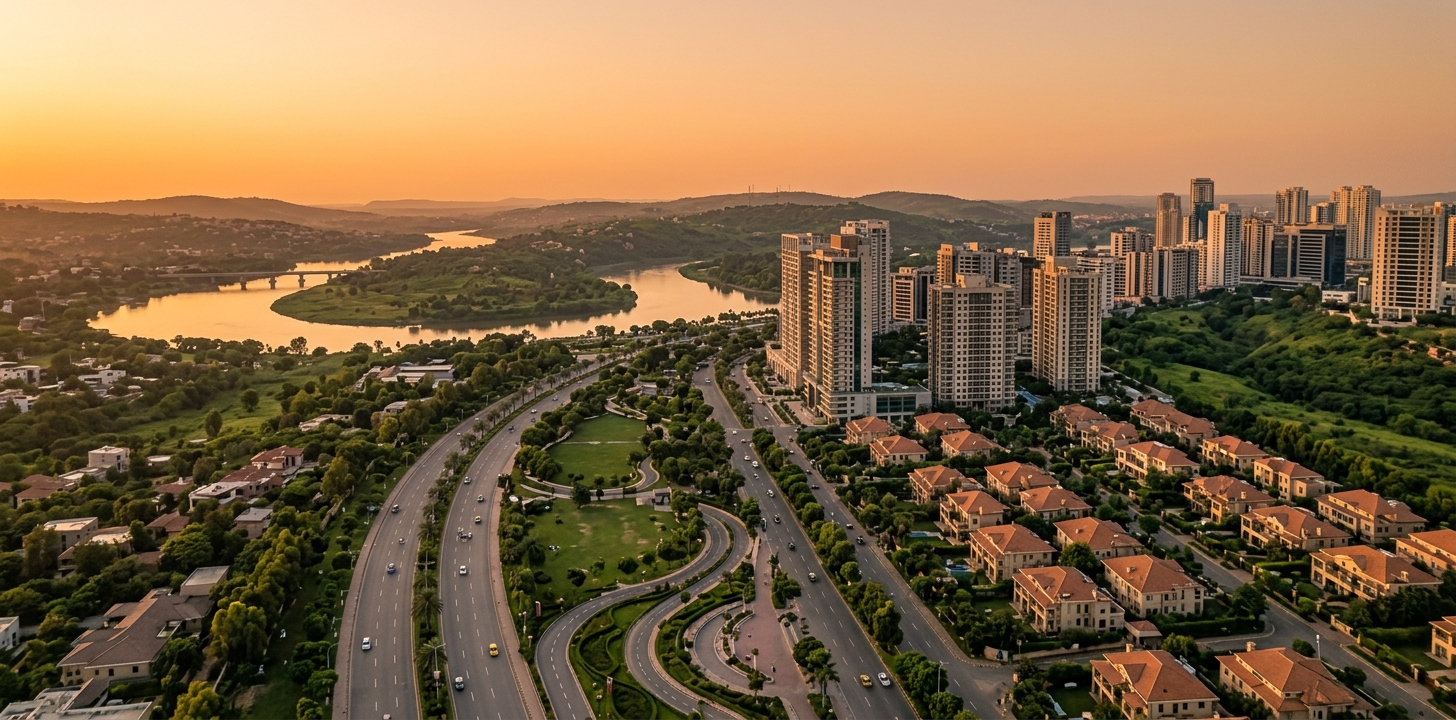
Rwanda. Kigali's fastest-growing address, built for the long term.
Gated townhouses and apartment living in Kigali — from Jasmine Hills' Italian-inspired townhouse community to Indabyo Heights near Nyarutarama, the city's green, embassy-lined address — in an economy the African Development Bank clocked at 9.4% real GDP growth in 2025, among the fastest in the world.
WhatsApp · Typically replies within 2 hours
1
Developer Partners
2
Projects Listed
6–10%
Avg. Gross Yield
RWF
Currency
Jump to Section
Why investors are looking at Rwanda.
Rwanda's real GDP growth hit 9.4% in 2025 — among the fastest anywhere in the world — driven by services, construction, manufacturing and agriculture, with the African Development Bank projecting a continued 7.0-7.4% pace through 2027. Kigali has built a genuine regional reputation for safety, cleanliness and ease of doing business (ranked the second-easiest place to do business in Africa by the World Bank), and its Nyarutarama district in particular has become the city's established embassy-and-green-space address. The one factor to watch closely: inflation surged to 13% year-on-year by April 2026, prompting the National Bank of Rwanda to tighten its policy rate rapidly to 7.25% — a genuine near-term risk, not a background assumption, even as the central bank targets a return to its 2-8% band. As with Uganda and Kenya, foreign buyers hold land on a secure, transferable 99-year leasehold rather than freehold — buildings and apartments themselves are unrestricted.
Key Advantages
- Real GDP growth of 9.4% in 2025, among the fastest in the world, projected to moderate to 7.0% (2026) and rise to 7.4% (2027)
- Inflation surged to 13% year-on-year by April 2026, prompting rapid central bank tightening to a 7.25% policy rate — a genuine watch item
- Foreigners hold secure, transferable leasehold up to 99 years (buildings/apartments unrestricted) — freehold land reserved for citizens
- RWF has traded in a comparatively narrow band through 2026 despite a longer-run depreciation trend
- Ranked the second-easiest place to do business in Africa by the World Bank, with recognised leadership in tourism and economic competitiveness
- A materially newer, more illiquid market than the UAE, Saudi Arabia or Azerbaijan for foreign buyers — mortgage access and the current rate environment, not land-tenure rules, are the binding constraint
Rwanda — Investment Scorecard
Nine indicators rated 1–10 by the PropSentral research team. Updated quarterly.
Observed Gross Rental Yield Range
6% – 10%
Per annum, based on active listings. Not guaranteed.
Tax Summary
Income Tax
Rental income tax applies a flat 50% deemed-expense deduction against gross rent, with the remainder taxed as income
Capital Gains
Sources vary — one cites 30% if held under 5 years (0% on a principal residence); another cites a flat 5% on gains from commercial immovable property and share disposals. Reconfirm the current rate and which regime applies directly before modelling an exit
Transfer Cost
Not compiled for this market — reconfirm directly
Mortgage Access
Max LTV
Limited for non-resident foreigners — Rwanda's mortgage market is still developing relative to Gulf or even other East African markets
Typical Rate
National Bank of Rwanda policy rate 7.25% (February 2026, after a series of hikes) — local financing runs materially higher once bank margins are added
Notes
Most foreign buyers purchase in cash or via developer instalment plans; confirm current bank policy directly before assuming financing is available
Residency Pathway
Programme
No dedicated golden-visa-style residency-by-property-investment program identified — a standard work/investor permit is the pathway most foreign buyers use
Threshold
N/A — property ownership itself does not confer residency
Timeframe
Renewable, tied to permit validity
Rwanda restricts foreign freehold land ownership (leasehold applies instead, up to 99 years) and inflation has moved sharply higher into 2026 — model returns conservatively and consult a Rwanda-licensed legal/tax advisor before investing. Scores are qualitative assessments by PropSentral and should not be relied upon as financial advice.
Economic Intelligence
Macro Indicators — Rwanda
GDP growth, interest rate environment, currency trends, and tax impact for investors. Static data as of February/August 2026 (BNR rate, RWF/USD rate); GDP data through 2024. Live charts sourced from BIS and FRED.
GDP Performance
Economic Output & Growth
USD billion. Source: World Bank / Macrotrends (compiled, current US$); growth rates from AfDB.
2022
+8.2%
2023
+8.2%
2024
+7.2%
Interest Rate Environment
Central Bank Rate vs BNR Policy Rate
National Bank of Rwanda (BNR) Policy Rate
7.25%
BNR Policy Rate
7.25%
What is BNR Policy Rate?
Rwanda does not have a widely-quoted interbank offered rate equivalent to EIBOR/SAIBOR — the BNR's policy rate is the primary benchmark referenced for local commercial lending margins.
⚠️ BNR raised its policy rate to 7.25% in February 2026 (from 6.75% in November 2025, and 6.00% as recently as August 2024) — a rapid tightening cycle responding to inflation surging to 13% year-on-year. A full historical monthly series was not compiled for this market. Local commercial lending runs materially higher than the policy rate itself once bank margins are added.
Currency
LiveExchange Rate — Your Currency vs RWF
The RWF is a free-floating (managed) currency on a gradual multi-year depreciation trend, but has traded in a comparatively narrow roughly 1,452-1,478/USD band through 2026 (averaging ~1,458.58/USD) — calmer month-to-month than Uganda's shilling or the Egyptian pound, though the multi-year trend should still be modelled explicitly.
Latest rate — Sept 26· FRED
1 USD = 0.8692 RWF
US Dollar → Rwandan Franc
Monthly averages — Federal Reserve Economic Data (FRED), cross-rates computed from USD pairs. For illustrative purposes only. Exchange rates fluctuate — consult your bank or FX broker for transaction rates.
Tax Profile
Property Taxes — Rwanda
Foreigners (individuals and foreign-controlled entities) cannot hold freehold land — only leasehold, up to 99 years under Law No. 08/2005 (upgraded from a prior 20-49 year regime) — but buildings/apartments themselves are not restricted
Non-residents are taxed at the same rates as residents on Rwandan-sourced income; tax residency itself requires 183+ days present in a 12-month period
Inflation risk is the dominant near-term watch item — BNR's rapid 2025-2026 tightening cycle reflects a genuine, not theoretical, price-stability concern
Tax information is general guidance only and may not reflect current legislation. Always consult a qualified local tax adviser before purchasing or selling property.
Lifestyle Intelligence
Living in Rwanda
Beyond the investment numbers — what does daily life actually cost, and what does it look like?
Cost of Living
Monthly Budget Estimates
Single Person
$1,200 – $2,000/mo
USD equivalent, including rent.
Couple
$1,800 – $3,000/mo
USD equivalent, including rent.
| Expense | Typical Range |
|---|---|
| Rent (1-bed) | USD 500–900/mo (Kigali city centre, Kiyovu, Kimihurura) |
| Rent (3-bed) | USD 1,000–1,800/mo (prime Kigali areas) |
| Groceries | USD 250–450/mo |
| Dining out | USD 200–500/mo |
| Transport | USD 150–350/mo |
| Utilities | USD 100–250/mo |
| Entertainment | USD 150–400/mo |
| Health insurance | USD 100–300/mo (international health insurance) |
A single professional lives comfortably in Kigali for roughly $1,200-2,000/mo; families budgeting for international school should plan $3,000-5,000/mo total. Kigali is widely regarded as one of Africa's cleanest, safest and best-organised capitals.
Quality of Life
Lifestyle Scores
Safety
Crime rate, political stability, day-to-day security
Healthcare
Quality and accessibility of medical care
Climate
Weather, sunshine, and year-round liveability
Expat Community
Size and diversity of international resident base
Education
Quality and range of international schooling options
English Friendly
Daily life ease for English-only speakers
Education
Schools & Universities in Rwanda
Kigali has a genuine, if compact, international school sector offering Belgian, American, British and Montessori curricula, reflecting Rwanda's post-genocide reconstruction and Vision 2050 international-investment push.
Available Curricula
Early Years (Ages 0–5)
A number of Montessori and English-medium nurseries operate in Kigali's main expat-serving neighbourhoods.
Primary (Ages 5–11)
International School of Kigali (ISK) and Kigali International Community School (KICS) are the two most established options.
Secondary (Ages 11–16)
Both ISK and KICS extend through secondary with international curricula.
Sixth Form / Pre-University (Ages 16–18)
International curriculum options exist at the established schools; some families relocate abroad for the final years of secondary given Kigali's smaller scale.
International Schools
Universities & Higher Education
Top Schools
Annual Fee Range
USD 5,000 – 20,000
Healthcare
Medical Care in Rwanda
Kigali has a growing base of modern private hospitals and clinics, anchored by the country's main referral hospital, reflecting Rwanda's broader reputation for effective public administration.
Public System
Private System
Health Insurance
Specialist Access
Top Facilities
Insurance Cost
USD 1,200–3,600 (individual)
Residency & Retirement
Visa Pathways
No dedicated retirement visa; standard work/investor permits are the pathway most foreign residents use — see this market's own residency summary.
Rwanda is genuinely affordable and Kigali is widely regarded as one of Africa's safest, cleanest and best-organised capitals, with international schooling and private healthcare still smaller-scale than Nairobi or Gulf markets.
Why expats & retirees choose Rwanda
- Widely regarded as one of Africa's safest, cleanest and best-organised capitals
- Carnegie Mellon University Africa's genuine Kigali campus is a notable international higher-education presence for a market this size
- International School of Kigali and KICS anchor a compact but genuine international school sector
- Strong government efficiency and ease-of-doing-business reputation, reflected in Rwanda's investment-based residence permit
- Smaller-scale healthcare and schooling than Nairobi or Gulf markets — a real, honest tradeoff for the safety and cleanliness
Climate
Annual Weather — Rwanda
Kigali sits at roughly 1,567m altitude, giving Rwanda its nickname "Land of a Thousand Hills" and a consistently mild, temperate climate despite its equatorial location — one of the most comfortable, stable climates on this platform. Two rainy seasons bracket drier spells.
| Month | High °C | Low °C | Rain mm | Sun hrs/day | Humidity % |
|---|---|---|---|---|---|
| Jan★ | 27 | 16 | 90 | 6 | 70% |
| Feb | 28 | 16 | 100 | 6 | 70% |
| Mar▲ | 27 | 16 | 130 | 5 | 74% |
| Apr▲ | 26 | 16 | 165 | 5 | 78% |
| May | 26 | 16 | 120 | 5 | 77% |
| Jun★ | 26 | 15 | 20 | 7 | 68% |
| Jul★ | 27 | 15 | 10 | 8 | 62% |
| Aug★ | 28 | 16 | 30 | 7 | 62% |
| Sep | 28 | 16 | 70 | 6 | 66% |
| Oct | 27 | 16 | 115 | 5 | 72% |
| Nov | 26 | 16 | 135 | 5 | 74% |
| Dec★ | 26 | 16 | 100 | 6 | 72% |
Climate normals, approximate. ★ recommended months · ▲ peak heat / rain months.
Languages & Culture
Communication in Rwanda
Official Language(s)
English Proficiency
MediumFor day-to-day expat navigation
Widely Spoken
Common Expat Languages
Business Language
English / French
Rwanda officially shifted its education and government system from French to English in 2008-2009, a genuine and relatively recent transition — both languages remain in practical use, with English now dominant in business and international investment contexts and French still present, particularly among older generations.
Cost-of-living figures, named schools and hospitals are indicative and reviewed periodically, not live data — fees, admissions, accreditation and facility names can change. Confirm current details directly with the school or hospital, and current rent/cost figures with your PropSentral advisor, before relying on them for a relocation decision.
2 projects on PropSentral
Loading map…
Click any pin to view project details. Map shows approximate locations.
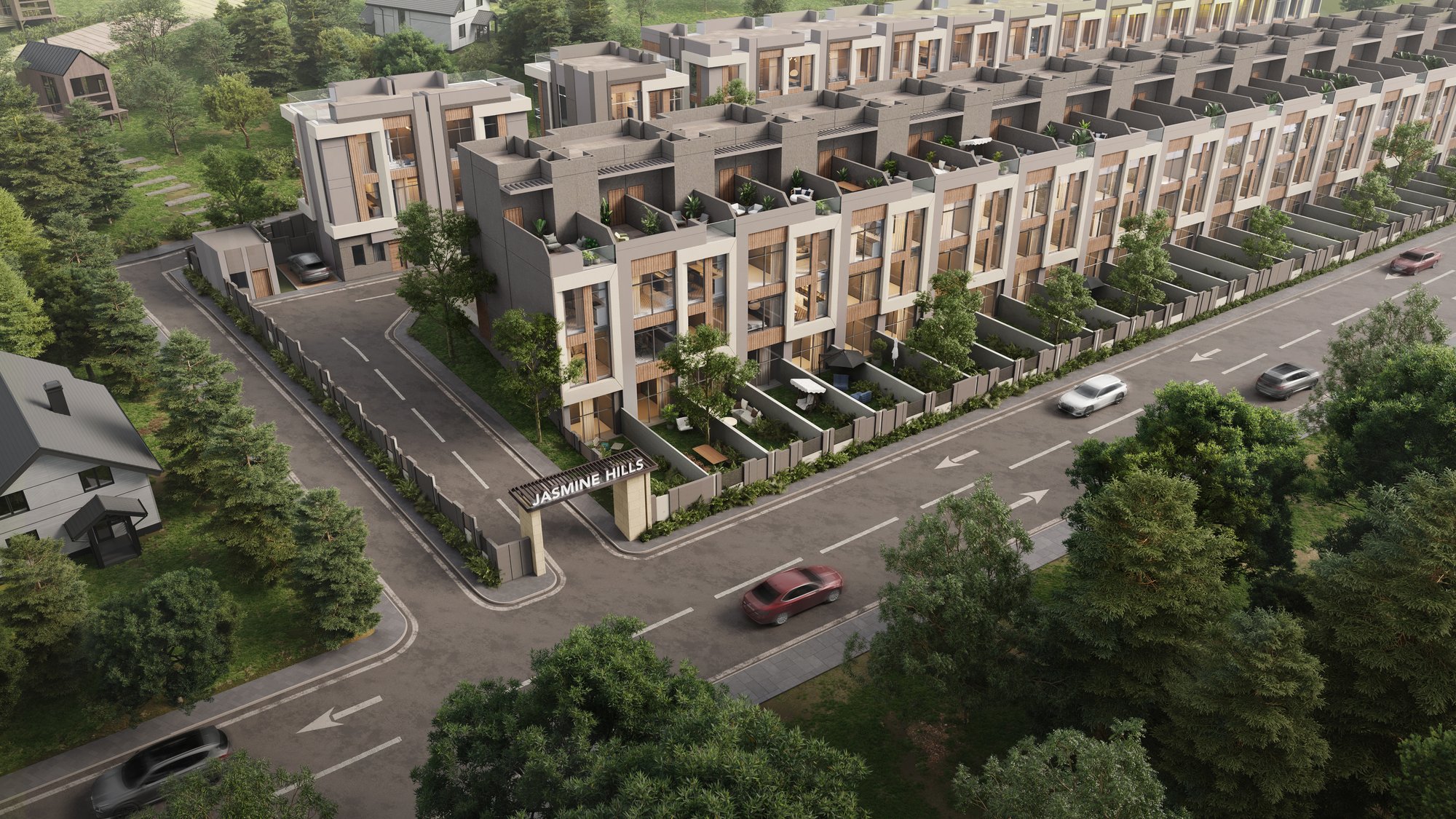
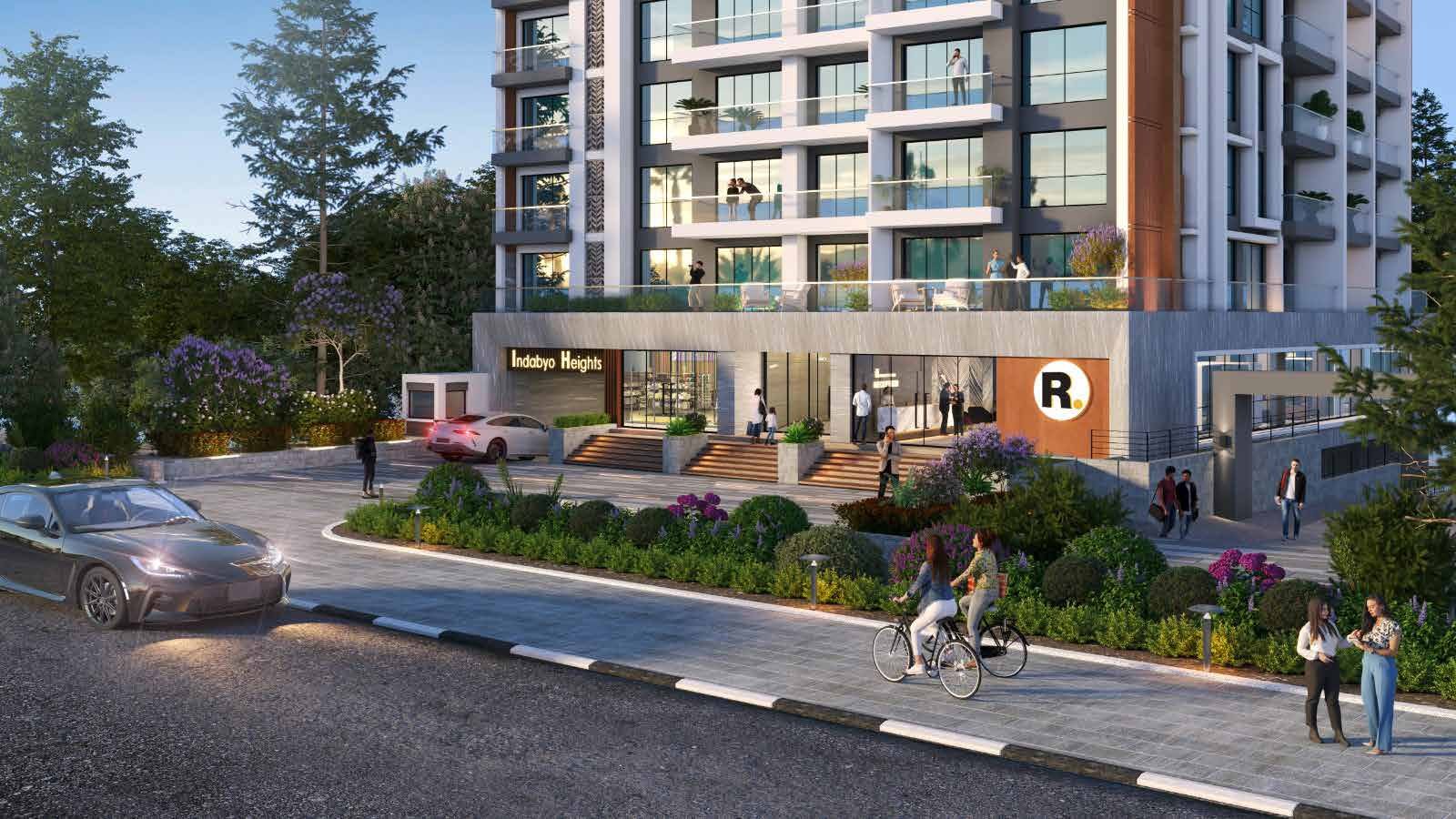
Common questions about Rwanda
What is the cost of living in Rwanda for expats?
A single person typically budgets USD 1,200–2,000/month, and a couple USD 1,800–3,000/month, excluding property costs. A single professional lives comfortably in Kigali for roughly $1,200-2,000/mo; families budgeting for international school should plan $3,000-5,000/mo total. Kigali is widely regarded as one of Africa's cleanest, safest and best-organised capitals.
What are the best international schools in Rwanda?
Leading options include International School of Kigali, Kigali International Community School (KICS). Kigali has a genuine, if compact, international school sector offering Belgian, American, British and Montessori curricula, reflecting Rwanda's post-genocide reconstruction and Vision 2050 international-investment push.
What are the top hospitals and healthcare facilities in Rwanda?
Leading facilities include University Teaching Hospital of Kigali (CHUK). Kigali has a growing base of modern private hospitals and clinics, anchored by the country's main referral hospital, reflecting Rwanda's broader reputation for effective public administration.
Can foreigners get residency in Rwanda by buying property?
No dedicated golden-visa-style residency-by-property-investment program identified — a standard work/investor permit is the pathway most foreign buyers use. Threshold: N/A — property ownership itself does not confer residency. Renewable, tied to permit validity
What is the typical rental yield in Rwanda?
Gross rental yields typically range 6–10% per annum based on active listings on PropSentral. This is indicative, not a guarantee — see this market's own investment intelligence section for the full breakdown.
Is there capital gains tax on property in Rwanda?
Sources vary — one cites 30% if held under 5 years (0% on a principal residence); another cites a flat 5% on gains from commercial immovable property and share disposals. Reconfirm the current rate and which regime applies directly before modelling an exit
What is the climate like in Rwanda?
Kigali sits at roughly 1,567m altitude, giving Rwanda its nickname "Land of a Thousand Hills" and a consistently mild, temperate climate despite its equatorial location — one of the most comfortable, stable climates on this platform. Two rainy seasons bracket drier spells. Best months to visit: Jun, Jul, Aug, Dec, Jan.
What languages are spoken in Rwanda?
The official language is Kinyarwanda, English, French, Swahili. Rwanda officially shifted its education and government system from French to English in 2008-2009, a genuine and relatively recent transition — both languages remain in practical use, with English now dominant in business and international investment contexts and French still present, particularly among older generations.
Answers are indicative, based on PropSentral's own market data and general guidance — always confirm current rates, fees and eligibility with a qualified local adviser before acting.
On This Page
Ready to invest in Rwanda?
Browse developer-direct off-plan townhouse and apartment communities in Kigali. Compare unit types and amenities — then speak with a PropSentral advisor when you're ready to move forward.
WhatsApp · Typically replies within 2 hours