

Kenya. Nairobi's diplomatically-adjacent Riverside Park.
A single, well-located residential tower in Riverside Park — one of Nairobi's most connected addresses for business, diplomatic and lifestyle destinations — paired with a currency that has been notably calmer through 2026 than its regional peers, and GDP growth the Central Bank of Kenya projects at 5.3% for 2026.
WhatsApp · Typically replies within 2 hours
2
Developer Partners
4
Projects Listed
6–10%
Avg. Gross Yield
KES
Currency
Jump to Section
Why investors are looking at Kenya.
Kenya's GDP growth is projected at 5.3% for 2026 by the Central Bank of Kenya, with inflation contained within its 2.5–7.5% target band. What sets Kenya apart from its East African neighbours on this platform is currency behaviour: the Kenyan shilling has traded in a roughly 0.10% 30-day volatility band through 2026 — a materially calmer profile than Uganda's shilling or the Egyptian pound, both of which carry meaningful depreciation risk for foreign investors. Nairobi's Riverside Park sits in a concentrated, diplomatically-adjacent corridor for new international-branded residential towers. As with Uganda, foreign buyers should note two structural realities before committing capital: Kenya's Constitution (Article 65) automatically caps any foreign-held land interest at a 99-year leasehold — even a nominally freehold purchase converts on acquisition — and local mortgage financing for non-residents remains underdeveloped, so most foreign buyers use cash or extended developer payment plans.
Key Advantages
- GDP growth projected at 5.3% for 2026 per the Central Bank of Kenya
- KES has been notably stable through 2026 (~0.10% 30-day volatility) — calmer than Uganda's shilling or the Egyptian pound
- Foreigners capped at a 99-year leasehold on any land interest — freehold reserved for citizens under Article 65 of the Constitution
- Nairobi's Riverside Park is a concentrated, diplomatically-adjacent zone for new international-branded residential development
- A materially newer, more illiquid market than the UAE, Saudi Arabia or Azerbaijan for foreign buyers — mortgage access is the binding constraint, not currency stability
- The 2026 Finance Act meaningfully raised rental income tax and introduced a new non-resident withholding regime — reconfirm current rates directly before modelling returns
Kenya — Investment Scorecard
Nine indicators rated 1–10 by the PropSentral research team. Updated quarterly.
Observed Gross Rental Yield Range
6% – 10%
Per annum, based on active listings. Not guaranteed.
Tax Summary
Income Tax
10% flat on gross residential rental income for resident individual landlords (Finance Act 2026); non-resident landlords face a proposed final withholding tax of 30% on gross rent from immovable property
Capital Gains
15% on net gain from property sale (standard CGT rate)
Transfer Cost
Stamp duty ~2–4% of transaction value, varies by land classification and location
Mortgage Access
Max LTV
Limited for non-resident foreigners — Kenyan mortgage lending to non-residents is comparatively underdeveloped
Typical Rate
CBK lending rate 8.75% (April 2026) + bank margin — commercial mortgage rates typically run materially higher
Notes
Most foreign buyers purchase in cash or via developer instalment plans; confirm current bank policy directly before assuming financing is available
Residency Pathway
Programme
Standard work/residence permit — no dedicated golden-visa-style investment-residency program identified
Threshold
N/A — property ownership itself does not confer residency
Timeframe
Renewable, tied to permit validity
Kenya restricts foreign freehold land ownership (leasehold applies instead, capped at 99 years even for nominally freehold purchases) and its foreign-buyer mortgage market is underdeveloped. Consult a Kenya-licensed legal/tax advisor before investing. Scores are qualitative assessments by PropSentral and should not be relied upon as financial advice.
Economic Intelligence
Macro Indicators — Kenya
GDP growth, interest rate environment, currency trends, and tax impact for investors. Static data as of August 2026 (CBK rate, KES/USD rate); GDP data through 2024. Live charts sourced from BIS and FRED.
GDP Performance
Economic Output & Growth
USD billion. Source: World Bank / Macrotrends (compiled, current US$); growth rates approximate.
2022
+4.8%
2023
+5.7%
2024
+4.7%
Interest Rate Environment
Central Bank Rate vs CBK Lending Rate
Central Bank of Kenya (CBK) Lending Rate
8.75%
CBK Lending Rate
8.75%
What is CBK Lending Rate?
Kenya does not have a widely-quoted interbank offered rate equivalent to EIBOR/SAIBOR — the CBK's policy lending rate is the primary benchmark referenced for local commercial lending margins.
⚠️ CBK's Monetary Policy Committee set the lending rate at 8.75% in April 2026. A full historical monthly series was not compiled for this market. Commercial mortgage rates for foreign buyers run materially higher than the policy rate itself.
Currency
Exchange Rate — Your Currency vs KES
The KES is a free-floating currency (not pegged), but has been notably calm through 2026 — trading in a roughly 128.95–129.54/USD range over recent 30-day windows (~0.10% volatility), a materially more stable profile than Uganda's shilling or the Egyptian pound.
Latest rate — Aug '26
1 USD = 129.3700 KES
US Dollar → Kenyan Shilling
12-month trailing rate. For illustrative purposes only. Exchange rates fluctuate — consult your bank or FX broker for transaction rates.
Tax Profile
Property Taxes — Kenya
Foreigners cannot hold freehold land — any interest acquired is automatically capped at a 99-year leasehold under Article 65 of the Constitution, even where a freehold title is nominally purchased
The 2026 Finance Act materially raised the rental income tax burden and introduced a new non-resident withholding regime — reconfirm the current rate directly, as Kenyan tax policy has moved quickly year to year
Most foreign buyers use cash or developer instalment plans rather than local mortgage financing
Tax information is general guidance only and may not reflect current legislation. Always consult a qualified local tax adviser before purchasing or selling property.
Lifestyle Intelligence
Living in Kenya
Beyond the investment numbers — what does daily life actually cost, and what does it look like?
Cost of Living
Monthly Budget Estimates
Single Person
$1,400 – $2,200/mo
USD equivalent, including rent.
Couple
$2,200 – $3,500/mo
USD equivalent, including rent.
| Expense | Typical Range |
|---|---|
| Rent (1-bed) | KES 60,000–100,000/mo (Westlands, Kilimani, Karen) |
| Rent (3-bed) | KES 120,000–220,000/mo (prime Nairobi areas) |
| Groceries | KES 25,000–45,000/mo |
| Dining out | KES 20,000–50,000/mo |
| Transport | KES 20,000–50,000/mo (car/driver) · lower for ride-hailing |
| Utilities | KES 10,000–25,000/mo |
| Entertainment | KES 15,000–40,000/mo |
| Health insurance | USD 100–300/mo (international health insurance) |
A comfortable single expat budget runs roughly $1,400–2,200/mo; a family of four in a mid-range area needs KES 150,000–300,000/mo before school fees, which are consistently cited as the biggest expense shock for relocating families.
Quality of Life
Lifestyle Scores
Safety
Crime rate, political stability, day-to-day security
Healthcare
Quality and accessibility of medical care
Climate
Weather, sunshine, and year-round liveability
Expat Community
Size and diversity of international resident base
Education
Quality and range of international schooling options
English Friendly
Daily life ease for English-only speakers
Education
Schools & Universities in Kenya
Nairobi has East Africa's most developed international school sector, anchored by several long-established British and American-curriculum schools serving a large, well-established diplomatic and NGO expat community.
Available Curricula
Early Years (Ages 0–5)
A wide range of English-medium nurseries operate across Nairobi's expat-serving suburbs (Karen, Runda, Westlands, Gigiri).
Primary (Ages 5–11)
International School of Kenya (ISK), Braeburn, Rosslyn Academy and Peponi School all offer established primary programmes.
Secondary (Ages 11–16)
IGCSE and IB Middle Years pathways are well represented across Nairobi's international schools.
Sixth Form / Pre-University (Ages 16–18)
ISK and Braeburn both offer IB Diploma and/or A-Level routes through to university admission.
International Schools
Universities & Higher Education
Top Schools
Annual Fee Range
KES 1,000,000 – 3,600,000 (roughly USD 8,000–25,000, varies by school)
Healthcare
Medical Care in Kenya
Nairobi has the strongest private healthcare sector in East Africa by regional standards, anchored by two internationally-recognised flagship hospitals.
Public System
Private System
Health Insurance
Specialist Access
Top Facilities
Insurance Cost
USD 1,200–3,600 (individual)
Residency & Retirement
Visa Pathways
No dedicated retirement visa; standard work/residence permits are the pathway most foreign residents use — see this market's own residency summary.
Nairobi is genuinely affordable for day-to-day living, with international schooling the largest and most variable cost for relocating families.
Why expats & retirees choose Kenya
- Strongest private healthcare sector in East Africa — Aga Khan University Hospital and The Nairobi Hospital both regionally recognised
- International School of Kenya and several other established options offer genuine IB/British curriculum choice
- English is an official language and the practical language of business — no language barrier for most daily life
- Nairobi functions as a genuine East African hub, more internationally connected than most peer cities
- School fees are the largest and most variable relocation cost — budget for this specifically before committing to a family move
Climate
Annual Weather — Kenya
Nairobi sits at roughly 1,795m altitude, giving it a notably mild, spring-like climate year-round despite its near-equatorial latitude — genuinely one of the more comfortable climates on this platform. Two rainy seasons (the "long rains" Mar-May and "short rains" Oct-Dec) bracket drier, sunnier spells.
| Month | High °C | Low °C | Rain mm | Sun hrs/day | Humidity % |
|---|---|---|---|---|---|
| Jan★ | 25 | 12 | 40 | 8 | 60% |
| Feb★ | 26 | 12 | 45 | 8 | 58% |
| Mar | 25 | 14 | 100 | 7 | 65% |
| Apr▲ | 24 | 14 | 210 | 5 | 74% |
| May▲ | 23 | 13 | 145 | 5 | 76% |
| Jun★ | 22 | 11 | 45 | 6 | 72% |
| Jul★ | 21 | 10 | 15 | 5 | 72% |
| Aug★ | 22 | 11 | 25 | 5 | 68% |
| Sep★ | 24 | 11 | 30 | 7 | 60% |
| Oct | 25 | 13 | 55 | 7 | 60% |
| Nov | 24 | 13 | 100 | 6 | 65% |
| Dec | 24 | 12 | 60 | 7 | 63% |
Climate normals, approximate. ★ recommended months · ▲ peak heat / rain months.
Languages & Culture
Communication in Kenya
Official Language(s)
English Proficiency
HighFor day-to-day expat navigation
Widely Spoken
Common Expat Languages
Business Language
English
English is an official language and the practical language of business, banking and real estate in Nairobi. Swahili is the other official language and the most widely spoken language nationally; Nairobi's cosmopolitan, English-fluent population is a genuine advantage for international buyers.
Cost-of-living figures, named schools and hospitals are indicative and reviewed periodically, not live data — fees, admissions, accreditation and facility names can change. Confirm current details directly with the school or hospital, and current rent/cost figures with your PropSentral advisor, before relying on them for a relocation decision.
4 projects on PropSentral
Loading map…
Click any pin to view project details. Map shows approximate locations.
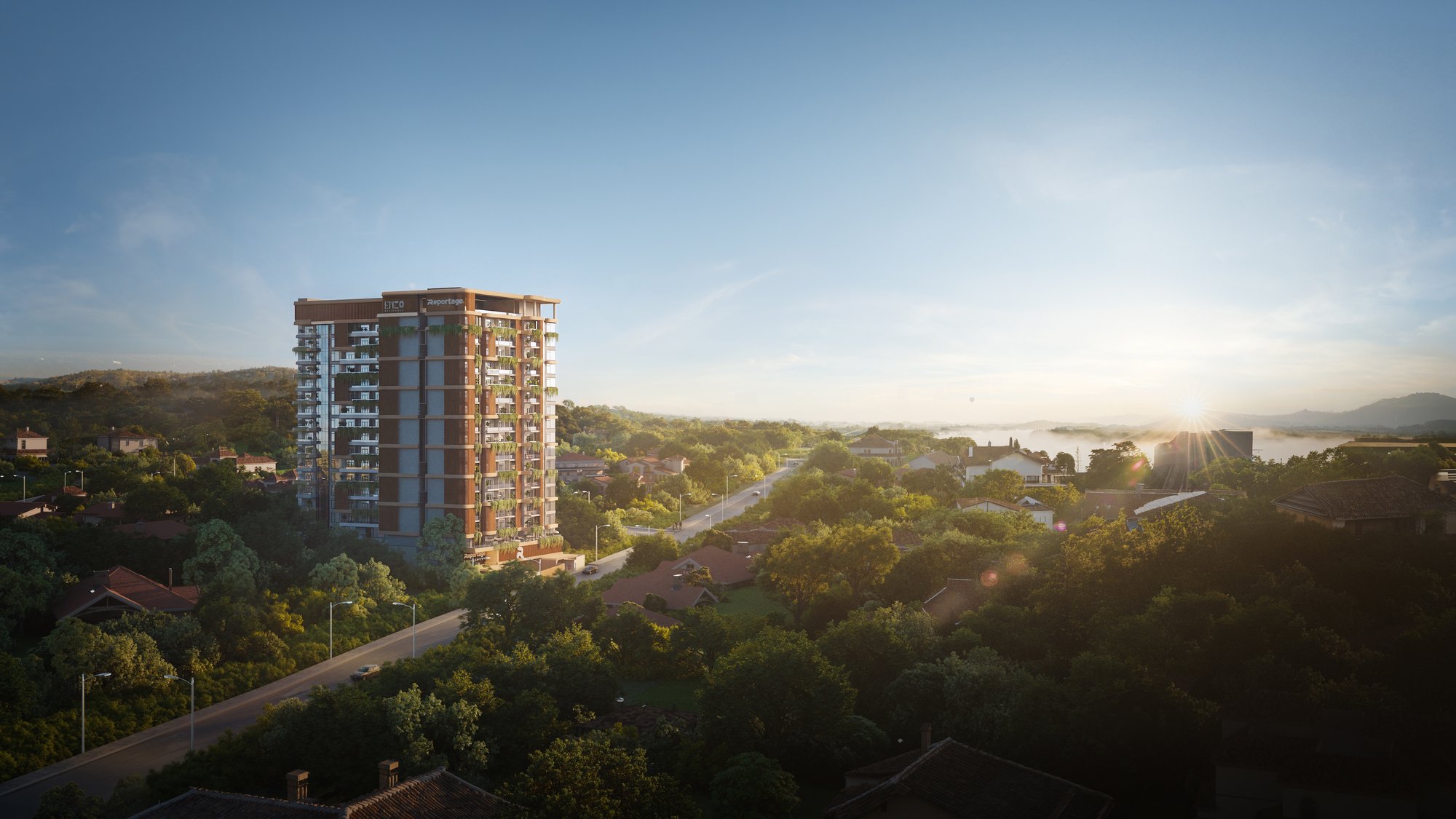
Reportage Properties
Enzo Residence
Riverside Park, Nairobi, Kenya
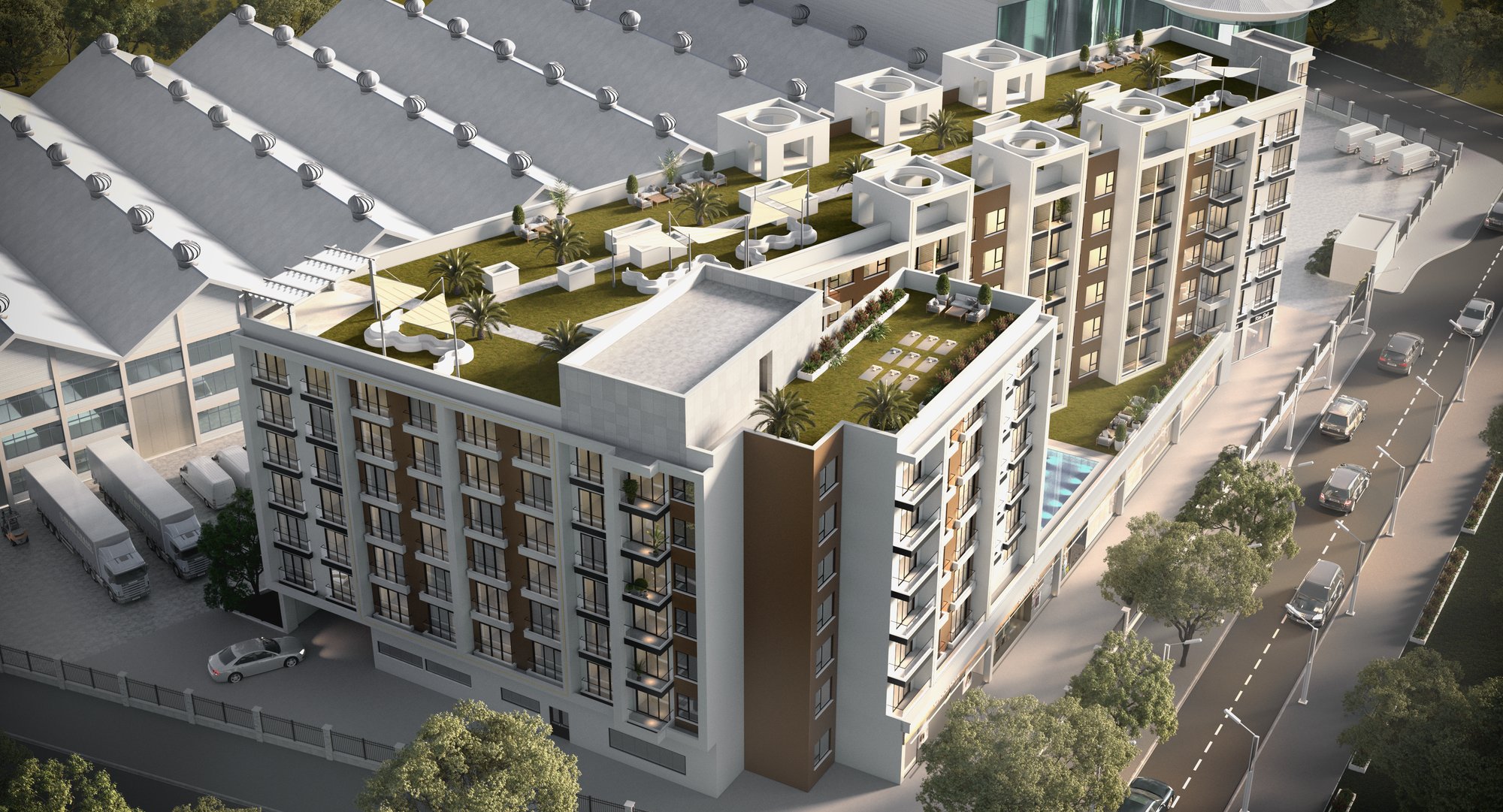
Reportage Properties
DG JKIA
Along Mombasa Road, opposite Jomo Kenyatta International Airport, Nairobi, Kenya
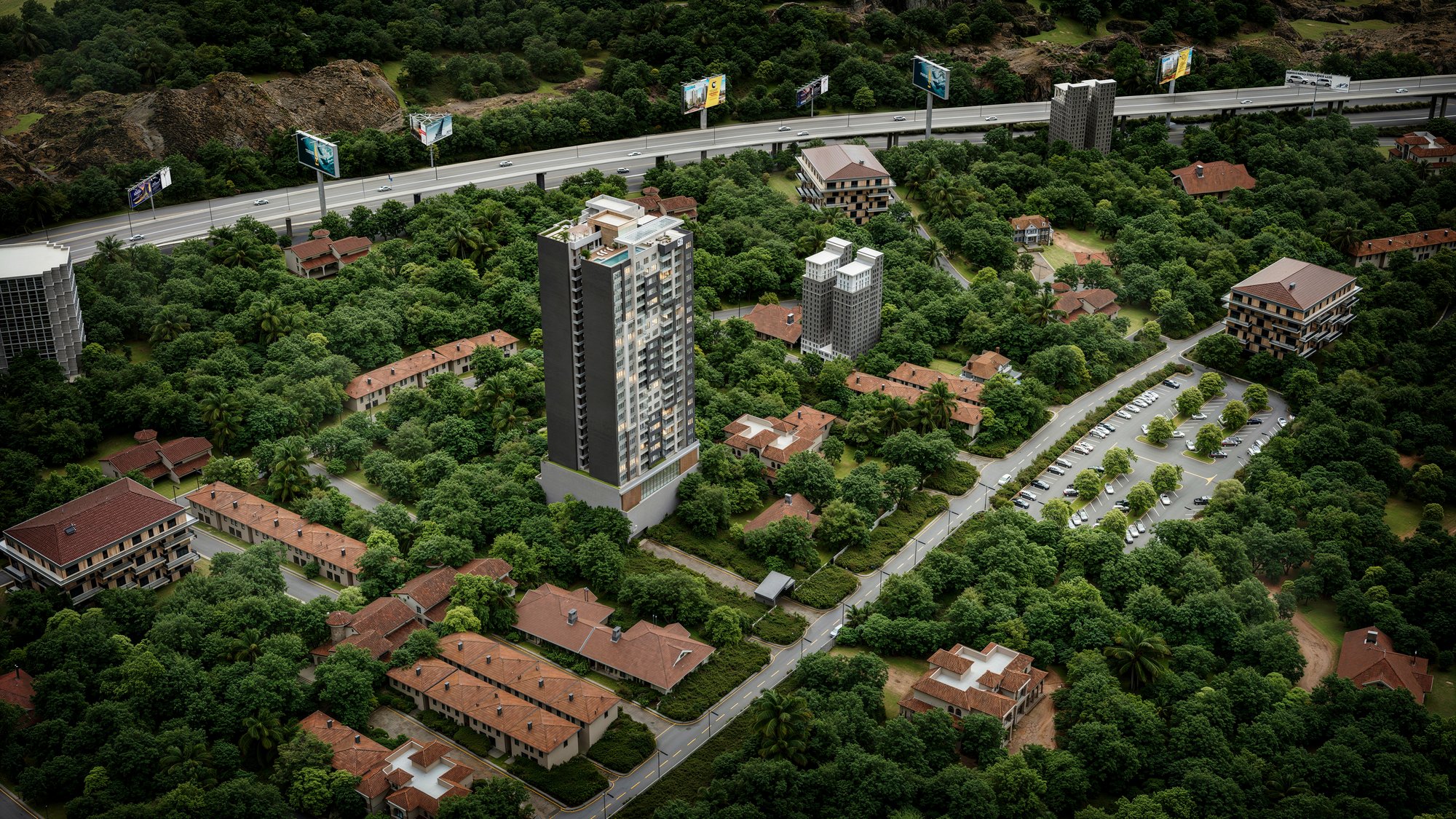
Reportage Properties
DG West
Sports Road, Westlands, Nairobi, Kenya
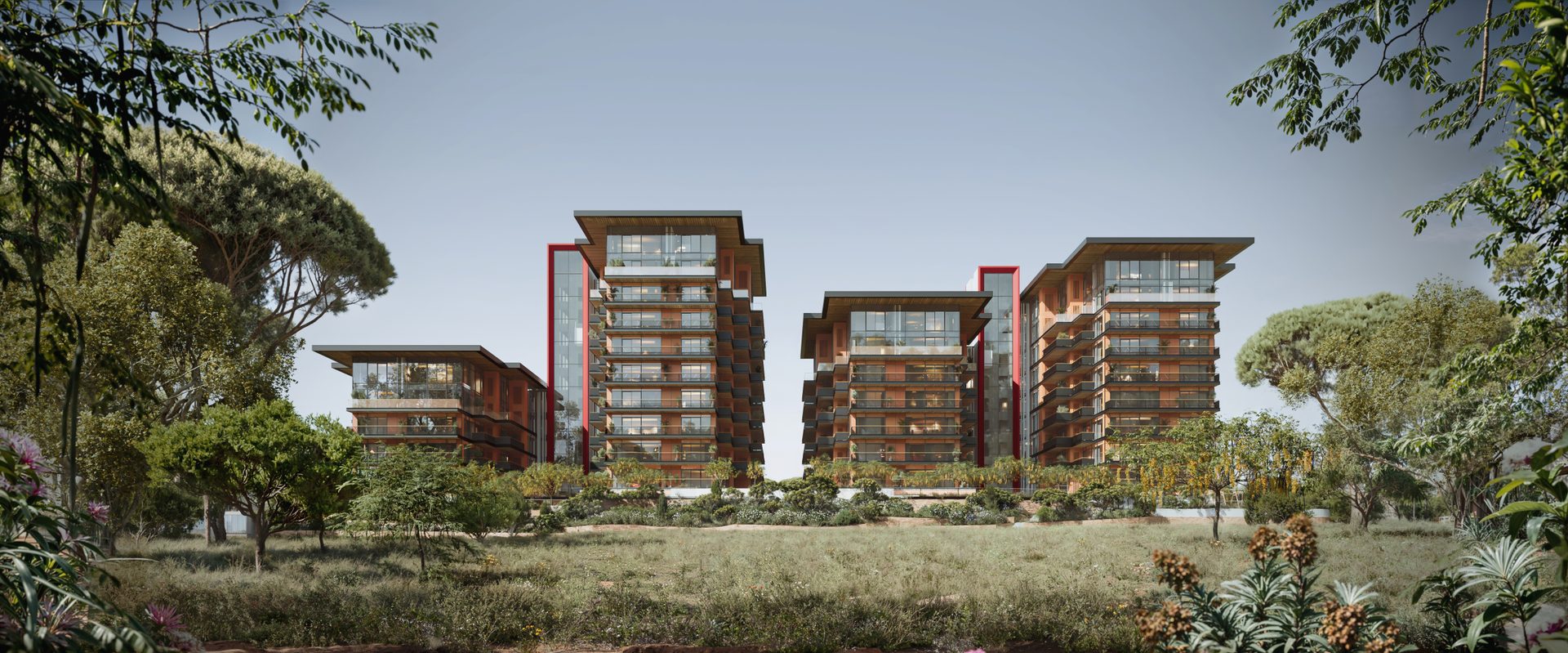
Next
Next Amani
Tatu City, Nairobi, Kenya
2 developer partners in this market
Reportage Properties
Accessible, practical real estate across Abu Dhabi, Dubai and beyond
Reportage Group of Companies was established in 2014, headquartered at Tamouh Tower, Al Reem Island, Abu Dhabi, with a second office in Business Bay, Dubai. Individual projects are developed through Reportage subsidiary SPVs (e.g. Webridge Properties LLC for Al Maryah Vista, an Abu Dhabi Global Market registered company). The group's portfolio spans dozens of residential and mixed-use developments across the UAE, with an expanding international pipeline — including a Saudi Arabia operation (reportageksa.com) building the Najd townhouse masterplan family in Riyadh, a growing cluster of waterfront towers in Baku, Azerbaijan, a Cairo office (Building 217, North Teseen St, New Cairo) developing the Montenapoleone masterplan family and Horya on Egypt's North Coast, a Kampala office (Plot 4, Philip Road, Near German Embassy, Kololo) building Victoria Palms, Divyabhav 7 Hills and Ivory Heights in Uganda, a Nairobi office (reportageke.com) building Enzo Residence, DG JKIA and DG West in Kenya, a Lahore head office ("Reportage Empire Pakistan") building Reportage Skyline Towers and Reportage Residences in Pakistan, an Istanbul office building Sylvana in Başakşehir and Afra Park in Bahçeşehir, Turkey, a Kigali office (reportagerw.com) building Jasmine Hills and Indabyo Heights in Rwanda, a presence in Marrakech, Morocco building Lilium, a presence on Victoria Island, Lagos, building Reportage Tower in Nigeria, La Dimora on Lalzit Bay, Durrës, Albania, Résidence Côme in Cap d'Ail, France — the group's first Western Europe/EU project — Reportage Towers in Addis Ababa, Ethiopia, delivered in partnership with the Ethiopian Defence Army Foundation, Oceana on Fujairah's Gulf of Oman coast, the group's first project on the UAE's east coast, and Elia Hills in Amman, the group's first presence in Jordan.
89
Projects
2014
Est.
10+
Completed
Next
Georgia's first international real estate development brand
Next (Next Group, established 2019 per WebSearch — not stated in its own company profile) is a Georgian real estate developer headquartered in Batumi and Tbilisi, describing itself as "the first international real estate development brand from Georgia." Its own company profile cites 630,000 m² built and under development, offices in Georgia, UAE, Kenya and Poland, and a portfolio spanning Batumi, Kobuleti and Tbilisi in Georgia plus international projects in Dubai (UAE), Tatu City (Kenya) and Marbella (Spain). Next partners with international hospitality brands on several buildings, including Radisson Hotel Group (Radisson Blu Residences) and Wyndham Hotels & Resorts (Wyndham Residence), both in Gonio, Batumi.
16
Projects
2019
Est.
2+
Completed
Common questions about Kenya
What is the cost of living in Kenya for expats?
A single person typically budgets USD 1,400–2,200/month, and a couple USD 2,200–3,500/month, excluding property costs. A comfortable single expat budget runs roughly $1,400–2,200/mo; a family of four in a mid-range area needs KES 150,000–300,000/mo before school fees, which are consistently cited as the biggest expense shock for relocating families.
What are the best international schools in Kenya?
Leading options include International School of Kenya, Braeburn, Rosslyn Academy, Peponi School, Aga Khan Academy. Nairobi has East Africa's most developed international school sector, anchored by several long-established British and American-curriculum schools serving a large, well-established diplomatic and NGO expat community.
What are the top hospitals and healthcare facilities in Kenya?
Leading facilities include Aga Khan University Hospital Nairobi, The Nairobi Hospital. Nairobi has the strongest private healthcare sector in East Africa by regional standards, anchored by two internationally-recognised flagship hospitals.
Can foreigners get residency in Kenya by buying property?
Standard work/residence permit — no dedicated golden-visa-style investment-residency program identified. Threshold: N/A — property ownership itself does not confer residency. Renewable, tied to permit validity
What is the typical rental yield in Kenya?
Gross rental yields typically range 6–10% per annum based on active listings on PropSentral. This is indicative, not a guarantee — see this market's own investment intelligence section for the full breakdown.
Is there capital gains tax on property in Kenya?
15% on net gain from property sale (standard CGT rate)
What is the climate like in Kenya?
Nairobi sits at roughly 1,795m altitude, giving it a notably mild, spring-like climate year-round despite its near-equatorial latitude — genuinely one of the more comfortable climates on this platform. Two rainy seasons (the "long rains" Mar-May and "short rains" Oct-Dec) bracket drier, sunnier spells. Best months to visit: Jan, Feb, Jun, Jul, Aug, Sep.
What languages are spoken in Kenya?
The official language is English, Swahili. English is an official language and the practical language of business, banking and real estate in Nairobi. Swahili is the other official language and the most widely spoken language nationally; Nairobi's cosmopolitan, English-fluent population is a genuine advantage for international buyers.
Answers are indicative, based on PropSentral's own market data and general guidance — always confirm current rates, fees and eligibility with a qualified local adviser before acting.
On This Page
Ready to invest in Kenya?
Browse a developer-direct off-plan residential tower in Nairobi's Riverside Park. Compare unit types and amenities — then speak with a PropSentral advisor when you're ready to move forward.
WhatsApp · Typically replies within 2 hours